
The list
Cheese: Pecorino Tartufo, one year aged Manchego, Camembert, Drunken Goat, Cave Aged Gruyere, Parmigiano Reggiano.
Meat: Bresaola, Prosciutto di Parma, Hot Soppressata, Coppa, Dry Spanish Chorizo.
Eleven things. You do not need all of them.
Three, then five
For two people, pick three. For four people, five. Beyond that a board stops being something you graze at and becomes a project.
The useful trick is to choose across the list rather than down it. Two hard aged cheeses next to each other will taste like one slightly confusing cheese. One hard, one soft, one with something going on, and suddenly each of them has a job.
A working three: Camembert for the soft one, Manchego for the firm nutty one, Pecorino Tartufo for the loud one. A working five adds Gruyere and Parmigiano Reggiano, and now you have a range from mild to insistent.
The meat is easier
Prosciutto di Parma is the safe center of any board and there is no shame in that. Bresaola is leaner and beefier and reads almost clean beside it. Coppa sits between the two.
Then you want one that pushes: Hot Soppressata or Dry Spanish Chorizo. Not both, unless everyone at the table has already said they want heat.
What to put beside it
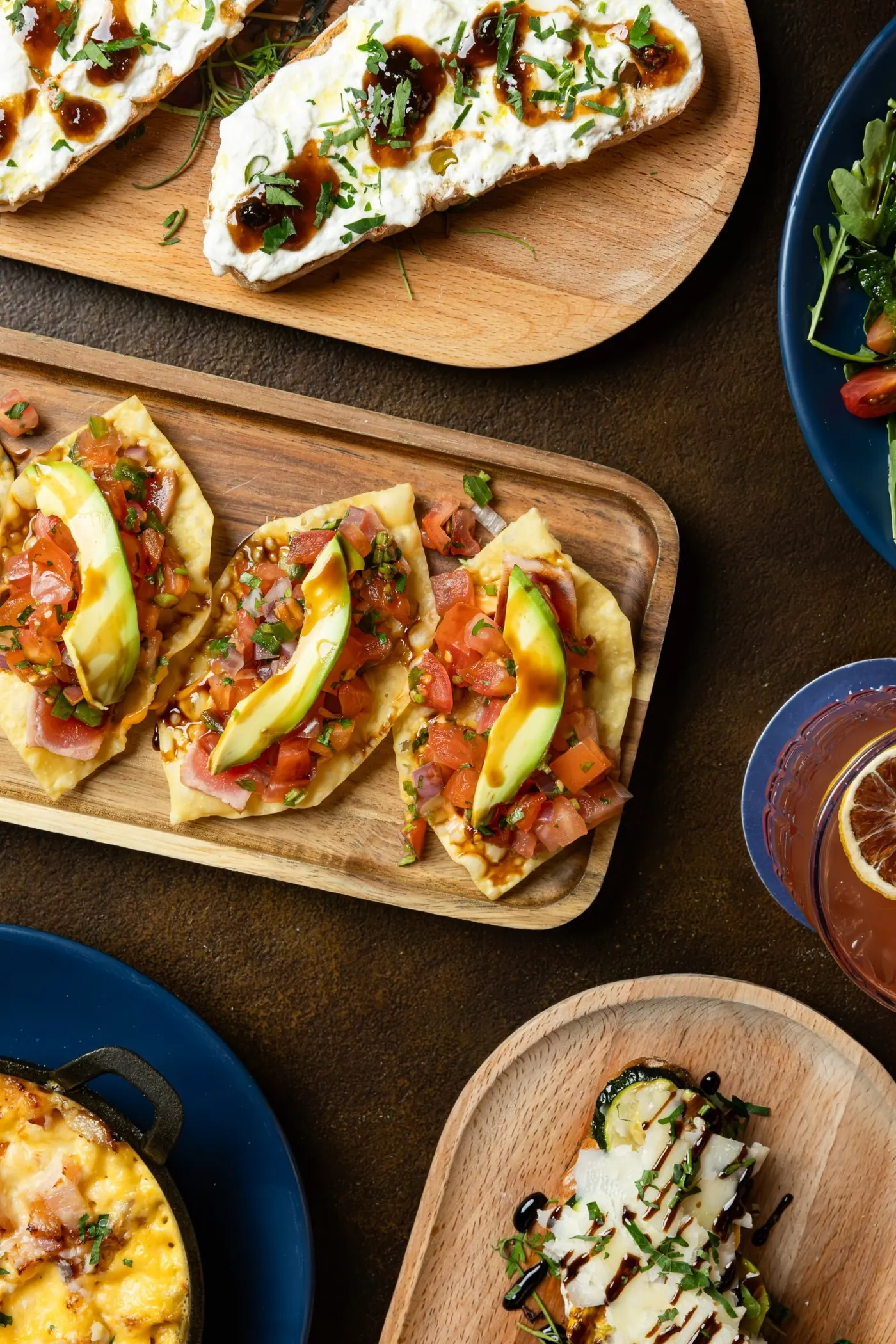
The toasts, if you want something built. The Wine Line Pretzel, if you want something to tear at. House red does more for a board than most people expect, and during happy hour it is $10, which is the cheapest this particular combination gets.
The only real rule
Order it early. A board is the plate you want on the table while you are still deciding what else you want, and it is the one thing in the kitchen that arrives almost immediately. Ordering it alongside the mains means it turns up when you no longer need it.